Applications
Use cases
Where synchronized, streamable volumetric video can support immersive and real-time experiences.
OpenVolumetric is a general delivery and playback layer rather than an application-specific product. Current capabilities are suited to pre-recorded volumetric content.
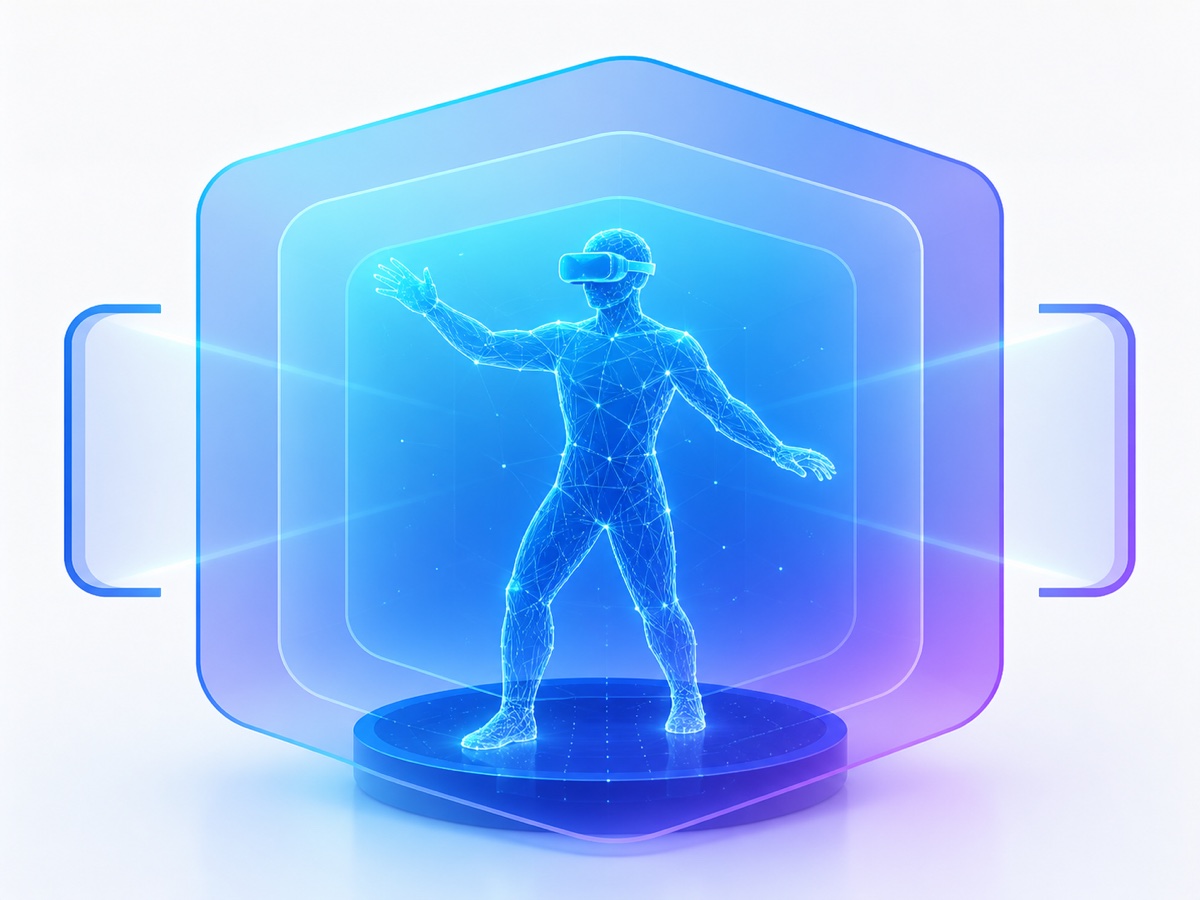
Extended reality
Place recorded people, performances, and objects inside immersive AR, VR, and mixed-reality experiences.
Volumetric video gives viewers a spatial presence they can move around and observe from changing viewpoints. OpenVolumetric can deliver synchronized geometry, video, and spatial audio to native Unity and Unreal experiences, using local assets or network delivery according to the needs of the application.
Potential applications
- Immersive performance and documentary experiences
- AR exhibits and location-based installations
- VR scenes containing recorded people or objects
Scope: Mobile and standalone XR deployments need content profiles that respect device decoding, memory, and thermal limits.
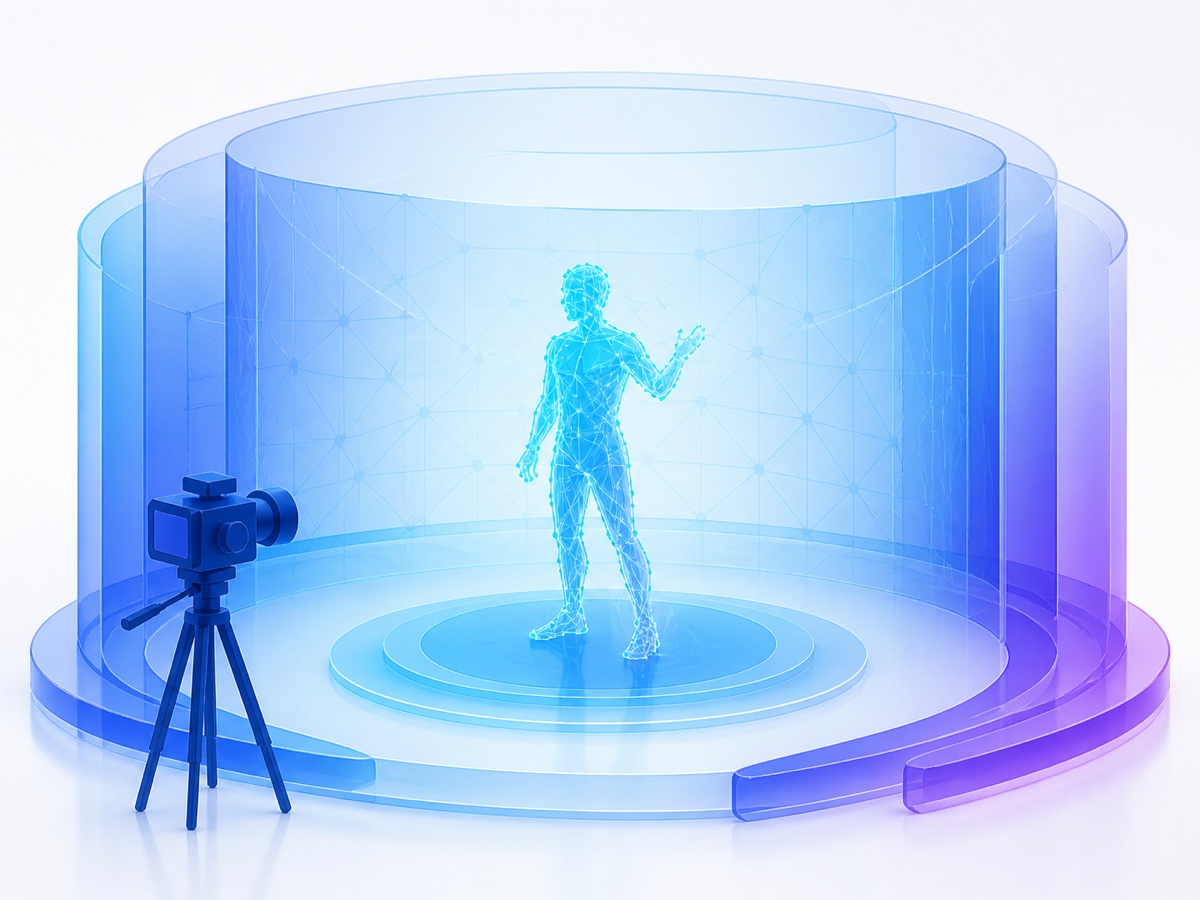
Virtual production
Bring volumetric performances into real-time previs, on-set visualisation, and final-pixel production workflows.
Pre-recorded volumetric performances can be placed within real-time scenes, reviewed from virtual camera positions, and synchronized with the wider production timeline. Native engine integrations allow the same volumetric asset to participate in Unity- or Unreal-based previs and production environments.
Potential applications
- Previsualisation and virtual scouting
- On-set playback of recorded performances
- Real-time scene blocking and shot design
Scope: OpenVolumetric supplies the authoring and playback path; it does not provide a volumetric capture stage or camera system.
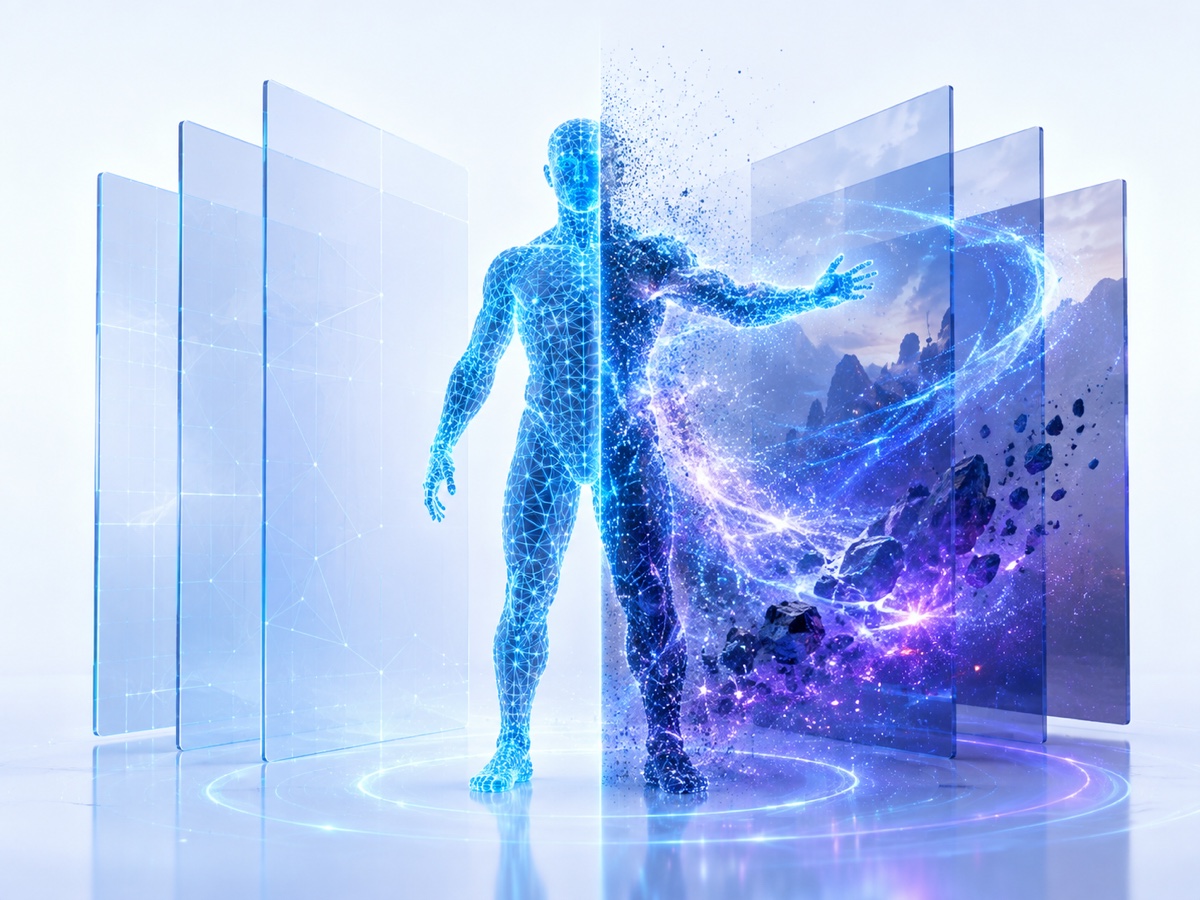
Visual effects
Integrate volumetric performances into composited shots, digital environments, and effects-driven post-production workflows.
Volumetric performances provide temporally synchronized geometry and imagery that can be positioned, lit, and combined with digital environments. This creates opportunities for effects work that benefits from a spatial performance rather than a single fixed camera view.
Potential applications
- Spatial performance elements within effects shots
- Reframing and viewpoint selection in real-time engines
- Combining recorded performers with synthetic environments
Scope: Current support is centred on the core library and real-time engine integrations. Dedicated Blender and Nuke integrations are roadmap explorations rather than available features.
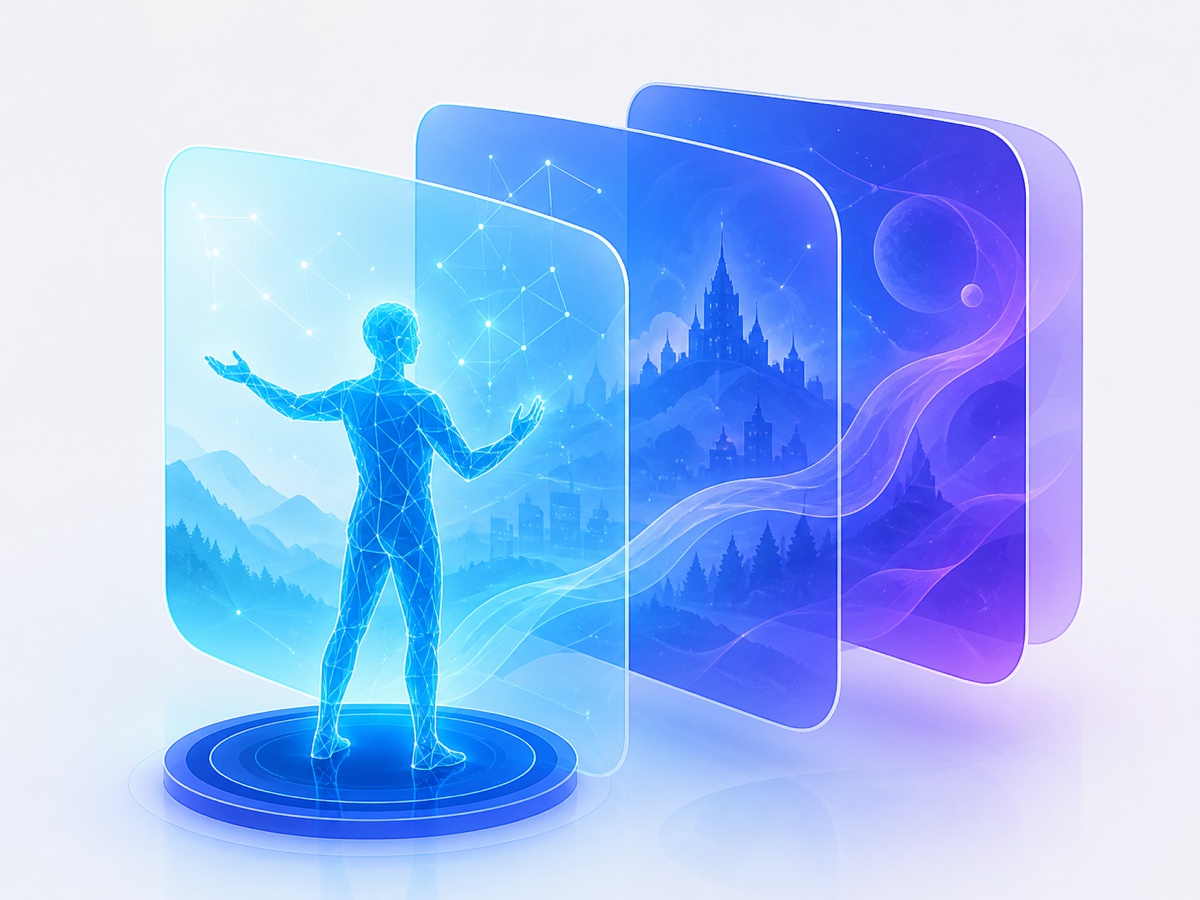
Immersive storytelling
Place recorded performers and subjects inside documentaries, narrative experiences, and spatial installations.
Recorded people can address an audience from within a spatial scene instead of being confined to a flat screen. Synchronized geometry, visual texture, and spatial audio can preserve the relationship between a speaker, their movement, and the surrounding narrative environment.
Potential applications
- Immersive documentary and oral history
- Spatial theatre and recorded performance
- Interactive museum and gallery narratives
Scope: OpenVolumetric supports pre-recorded content; live telepresence would require a real-time encoding workflow that is not currently available.
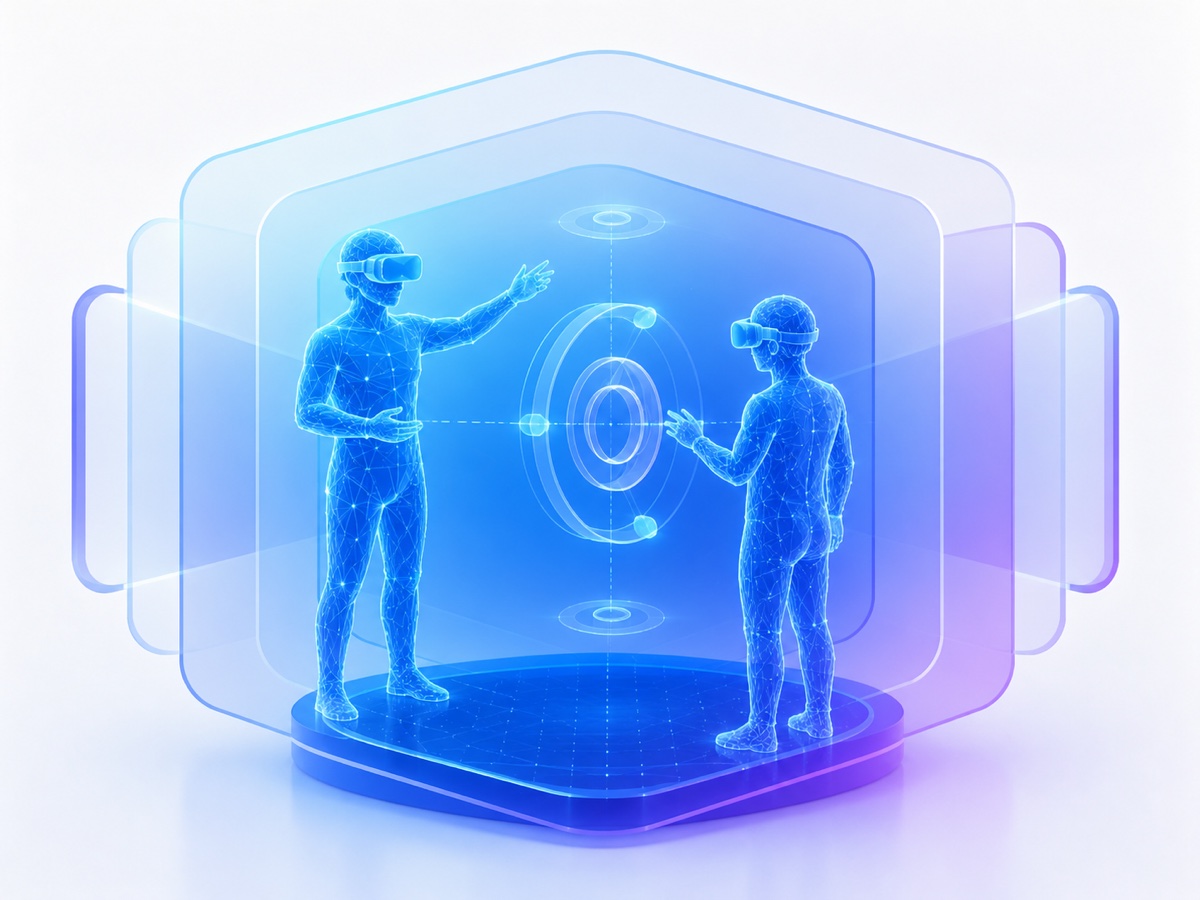
Training & simulation
Replay realistic people and scenarios for repeatable training, rehearsal, and simulation experiences.
Pre-recorded instructors, participants, or situations can be replayed consistently inside an interactive training environment. Applications can place the learner around the action, repeat key moments, and combine volumetric sequences with conventional simulation elements.
Potential applications
- Procedural rehearsal and scenario familiarisation
- Recorded demonstrations from multiple viewpoints
- Human-centred safety and communication training
Scope: Training is commonly delivered through XR, but can also form part of desktop, projection, or engine-based simulation systems.
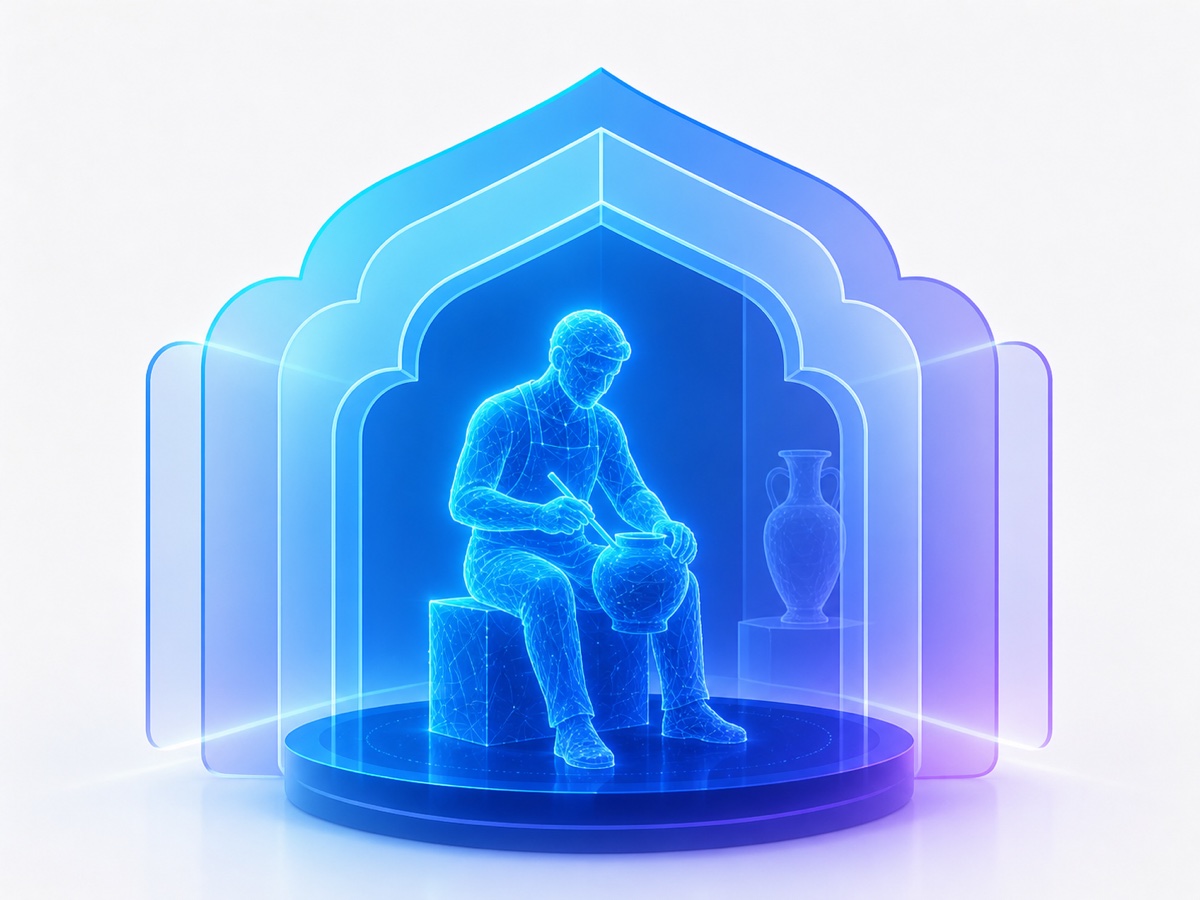
Cultural heritage
Preserve performances, people, and physical practices as spatial records that audiences can revisit.
Volumetric recording can retain spatial aspects of a performance, demonstration, or embodied practice that conventional video cannot fully convey. OpenVolumetric provides a path for packaging and presenting that prepared material across supported playback environments.
Potential applications
- Craft, dance, and performance documentation
- Spatial oral histories and first-person accounts
- Museum, archive, and heritage-site experiences
Scope: Long-term preservation also requires institutional choices about source masters, metadata, storage, and format migration beyond the playback library itself.
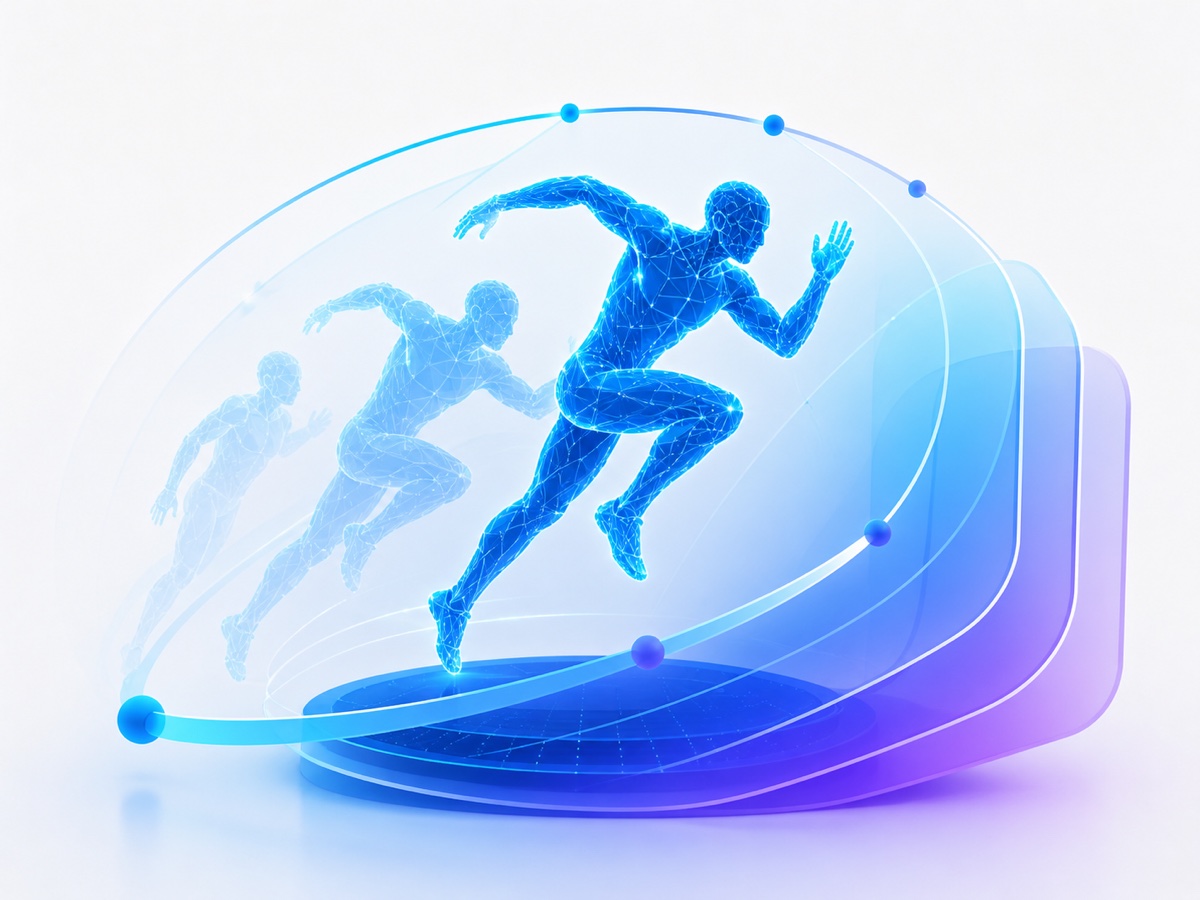
Sports & replay
View movement and performance from new angles for analysis, storytelling, and immersive replay.
A prepared volumetric sequence lets viewers inspect recorded movement from viewpoints that were not fixed at playback time. Sequences can be paused, sought, repeated, or placed into an explanatory real-time scene for analysis and presentation.
Potential applications
- Immersive highlights and fan experiences
- Technique review from selectable viewpoints
- Broadcast explainers and interactive replay
Scope: This use case assumes pre-recorded and processed volumetric content rather than live match encoding.
Choosing a delivery mode
Local playback is useful for installations, controlled productions, and offline XR. Progressive or fragmented HTTP delivery allows playback to begin without downloading the complete asset, while adaptive packages provide synchronized low- and high-quality representation switching.
See Streaming and adaptation and Platforms and compatibility before selecting a deployment target.